Option 1
Ja
выв
ios hello
Test tickets only
speakers / exhibitors
Кіївській шлях 1
Vitalli
Кіївській шлях 1
Vitalli
uksport_simply
refactor
refactor
Datum
refactor
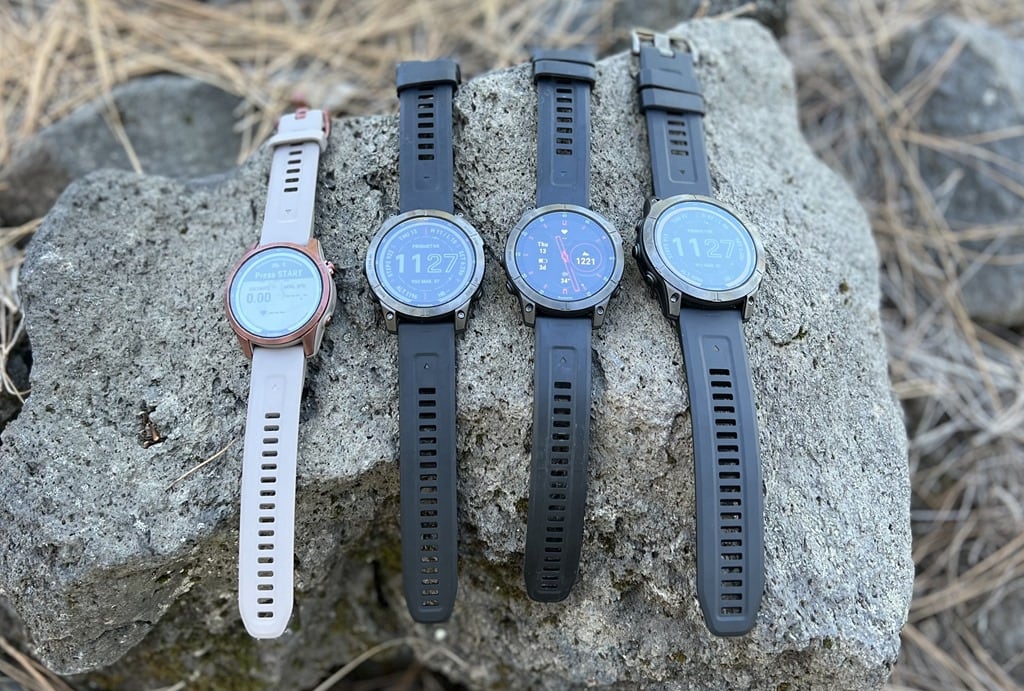
Over the last few days there have been endless discussions about deciding between a Fenix 7 Series and Epix Series unit, so I figured a more detailed comparison was in order. In my case, I’ve been using the units for almost two months, and often side by side. An Epix on one wrist, and a Fenix 7 on the other. So I’ve got direct comparison data, including battery burn charts for long 7-hour activities, on how they actually handle the real world with all the features enabled.
Now at a high level, undoubtedly, the display is the main difference. But that display actually drives quite a few other factors that are less obvious. Things like map clarity, graphing detail, how the unit reacts when on your wrist, and even general day-to-day visibility. And it’s probably important to set aside any perceived notions around ‘pretty display’ units from a few years ago. Or even from Garmin’s own line-up. The just-released Venu 2 Plus shares the same screen, but doesn’t feel anything like Epix. That’s because Garmin appears to have done everything possible to make Epix mirror the Fenix, rather than approach it as a broad mid-tier consumer device like the Venu series.
So, with that, this post is divided up into two basic parts:
A) A quick overview of the Fenix/EPIX models
B) A deep-dive into all those nuanced differences between the Fenix & Epix
Now, you can hit Play on the video above, which in this case is probably the best thing to do, because many of these are display-based, and it’s easier to see those in the real-world with real video footage of how the units react and display.
For the moment, I’m not going to belabor all of the Fenix 7 Series models in this post. There are 22 of them in total, plus other country-specific SKUs. For example, the UK has a different shade of grey than the rest of the world on certain models. I’m not kidding. It’s a different SKU there. Here’s the official chart of listings from Garmin, for at least the US market.
The most important thing to know is that all these units share the same software features across the board. They all have music, the same optical heart rate sensor, the same GPS chipset manufacturer, the same contactless payment support, the same WiFi/Bluetooth/ANT+, and all the same sport profiles and related features. Same. Same. Same.
Instead, deciding on a model is all about three sorta simple things:

refactor
Over the last few days there have been endless discussions about deciding between a Fenix 7 Series and Epix Series unit, so I figured a more detailed comparison was in order. In my case, I’ve been using the units for almost two months, and often side by side. An Epix on one wrist, and a Fenix 7 on the other. So I’ve got direct comparison data, including battery burn charts for long 7-hour activities, on how they actually handle the real world with all the features enabled.
Now at a high level, undoubtedly, the display is the main difference. But that display actually drives quite a few other factors that are less obvious. Things like map clarity, graphing detail, how the unit reacts when on your wrist, and even general day-to-day visibility. And it’s probably important to set aside any perceived notions around ‘pretty display’ units from a few years ago. Or even from Garmin’s own line-up. The just-released Venu 2 Plus shares the same screen, but doesn’t feel anything like Epix. That’s because Garmin appears to have done everything possible to make Epix mirror the Fenix, rather than approach it as a broad mid-tier consumer device like the Venu series.
So, with that, this post is divided up into two basic parts:
A) A quick overview of the Fenix/EPIX models
B) A deep-dive into all those nuanced differences between the Fenix & Epix
Now, you can hit Play on the video above, which in this case is probably the best thing to do, because many of these are display-based, and it’s easier to see those in the real-world with real video footage of how the units react and display.
For the moment, I’m not going to belabor all of the Fenix 7 Series models in this post. There are 22 of them in total, plus other country-specific SKUs. For example, the UK has a different shade of grey than the rest of the world on certain models. I’m not kidding. It’s a different SKU there. Here’s the official chart of listings from Garmin, for at least the US market.
The most important thing to know is that all these units share the same software features across the board. They all have music, the same optical heart rate sensor, the same GPS chipset manufacturer, the same contactless payment support, the same WiFi/Bluetooth/ANT+, and all the same sport profiles and related features. Same. Same. Same.
Instead, deciding on a model is all about three sorta simple things:

uksport_simply